Continuing in our Meet the Maintainer series, we have Aabid Sofi. Aabid is a maintainer of Meshery UI. In this interview, we get to know Aabid a little better and learn about his journey as an open source project maintainer and with Layer5 community.
Himani: Aabid, thank you for taking the time to join me today. While many people, both within and beyond the Layer5 community, have witnessed the impact of your contributions, they may not know the story behind who you are and how you became a maintainer. Could you share your journey with us? How did you discover the Layer5 community, and what inspired you to stay?
Aabid: My journey with Layer5 began about two years ago, during a transitional phase in my career as I was moving away from regular consulting work and exploring open source more seriously. Meshery immediately caught my eye—it had a wealth of open issues that aligned well with my skillset at the time. What truly sealed the deal, though, was the community. Everyone was incredibly welcoming and supportive, especially in the areas where I had less experience. That combination of technical opportunity and community warmth made it easy to stick around and get involved deeply.
Himani: You’re a Meshery UI maintainer. What does being a Meshery maintainer mean to you?
Aabid: Frontend engineering has always been a space that excites me. While some people like to strictly divide frontend and backend work, I view engineering as the art of abstraction—building clients that interface with systems behind the scenes. I approach UI development with the same principles I’d apply anywhere else in engineering: scalability, robustness, and maintainability. Sure, JavaScript has its quirks (like any language), but that’s just part of the fun. Being a UI maintainer gives me the chance to ensure that the user-facing side of Meshery reflects solid engineering values.
Himani: Have you worked with any other open source project? How does Layer5 compare?
Aabid: Yes, I’ve contributed to several open source projects, though none as deeply or meaningfully as I have with Layer5. This community holds a special place in my heart. It gave me a platform to grow, to sharpen my skills, and—importantly—to have my work recognized and valued. The level of engagement and collaboration here is unlike anything I’ve experienced elsewhere.
Himani: Layer5 projects have a number of active, open source projects. You’ve been consistently contributing to a few of them. Which one(s) are you currently focusing on?
Aabid: There are more projects here than I can count on my fingers! I’ve been actively contributing to Meshery, Meshkit, Meshery Extensions, and Sistent, among others. Each project brings unique challenges and learning opportunities, and I enjoy bouncing between them based on where help is most needed.
Himani: What’s the coolest Meshery UI demo you have done/seen?
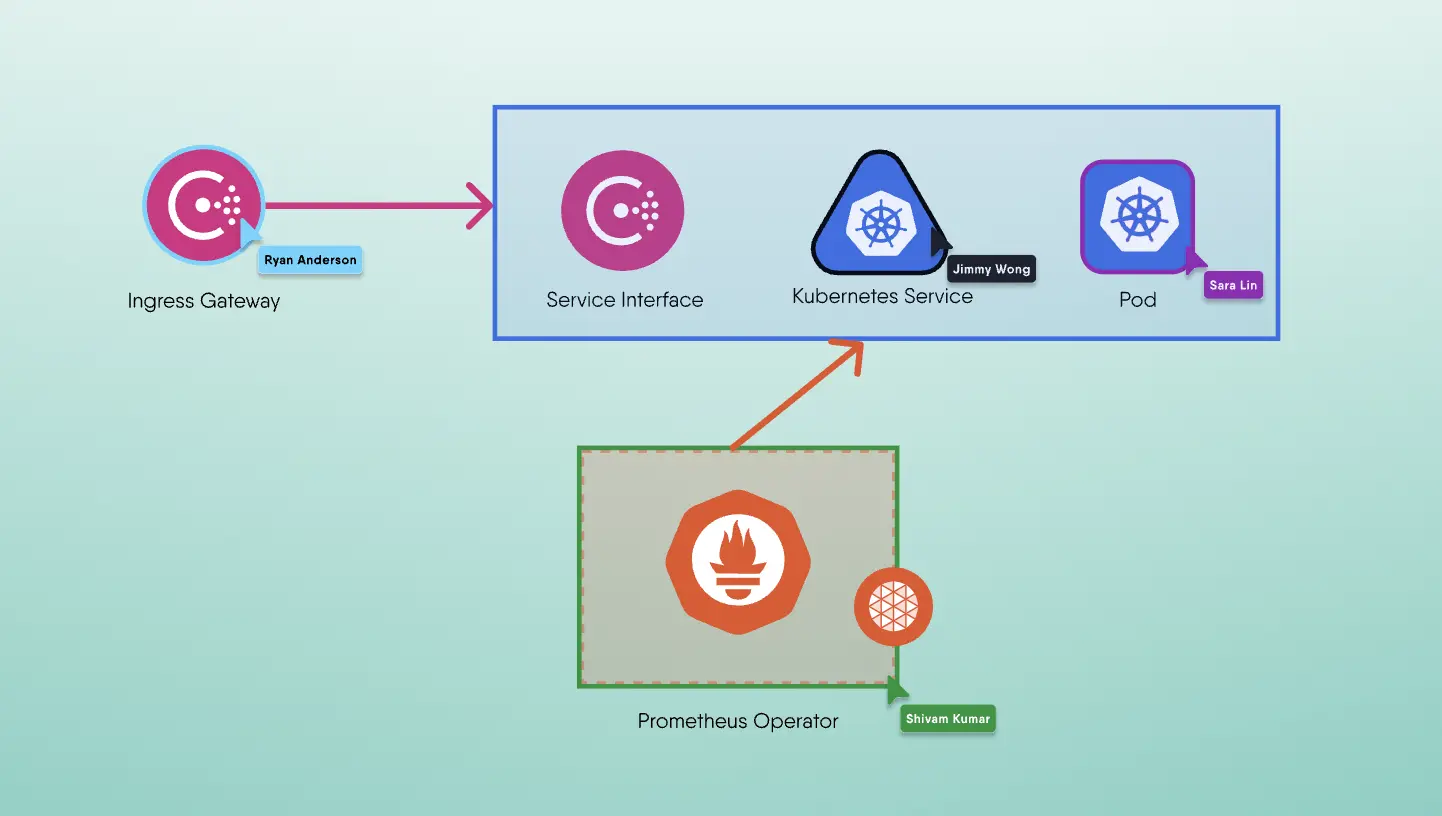
Aabid: One of the coolest demos I’ve seen—and personally enjoyed showcasing—is Meshery’s capability to intelligently infer and visualize relationships between various infrastructure components. There’s always a moment of awe when users see connections and dependencies automatically materialize on the screen—it feels like magic, and it’s an incredibly powerful way to understand your system’s topology.
Himani: What is your favorite feature or aspect of UI in this project, and why?
Aabid: My favorite aspect of the project has been the UI—especially the collaborative and visual design features we’ve built into it. I’ve always admired tools like Google Docs and Figma for how they enable real-time collaboration and intuitive design workflows. Being part of a project that offers similar capabilities for infrastructure management is an opportunity I wouldn’t trade for anything.
Himani: What is your hot tip for working with Meshery that others may not know?
Aabid: One principle I try to follow—and would recommend to others—is to not fear making mistakes or admitting when you don’t know something. Acknowledging knowledge gaps is actually a strength—it helps you grow faster. After all, you can’t fix what you don’t realize is broken. Be curious, be humble, and you’ll find your footing.
Himani: Where do you see opportunities for contributors to actively engage and contribute to UI within the Meshery and Layer5 community?
Aabid: Meshery is rapidly evolving—it’s currently the 9th fastest-growing project under the CNCF umbrella. There are countless ways to get involved. Start by joining the community and introducing yourself along with your skills and interests. Community managers are great at helping contributors find the right fit. At the moment, areas like Meshery’s CLI, Meshery Server, and even digital marketing are actively seeking contributions. While most of Layer5’s 100+ repositories are open, two—Kanvas and Cloud—are currently closed-source but are being actively developed by community contributors. These projects are highly collaborative, with 15+ active contributors meeting daily and nearly 100 total contributors to date. The team working on these projects meets every Monday, Tuesday, Wednesday, and Friday at 9:00 AM Central / 7:30 PM IST via meet.layer5.io/team. Anyone with interest, a collaborative spirit, and consistent participation is warmly welcomed—even into the closed-source efforts.
Himani: Let's get to know you a bit better with some quick questions: What's the emoji you use most often? Do you prefer movies or books? Would you consider yourself a morning person or a night owl? Over the past year, what's a project or accomplishment you're particularly proud of?
Aabid:😀 Looking at my emoji history, 🙏 and 😀 are definitely the most used—and honestly, that says a lot about this community. It’s warm, collaborative, and full of gratitude. As for me, I’d say I lean toward being a night owl, and while I do enjoy both books and movies, it depends on the mood. One project I’m particularly proud of is the real-time collaboration functionality we’ve added to the UI—bringing ideas like those in Figma or Docs to infrastructure tooling has been incredibly satisfying.
Himani: Do you have any advice for individuals hopeful to become Meshery UI contributors or potentially maintainers?
Aabid: My advice is simple: pick an area that genuinely interests you—there are plenty to choose from here. You don’t need to know everything right away. Start with small, manageable issues and use them as a learning opportunity. Over time, your understanding will deepen, and so will your impact. Consistency and curiosity go a long way.
Himani: In other words, staying curious and consistently contributing, even in small ways at first, can build the foundation for becoming a strong Meshery UI contributor or even a maintainer over time.
Aabid: Exactly, Himani. It’s all about building momentum. Every small contribution—whether it’s fixing a bug, improving docs, or reviewing a PR—adds up and helps you grow into the role. What matters most is the willingness to learn, adapt, and collaborate with others in the community. That’s the real pathway to becoming a strong contributor and eventually a maintainer.

The Meshery project moves at an impressive pace thanks to maintainers like Aabid. Be like Aabid. Join the Layer5 Slack and say “hi".
Himani Sahu